Association Networks: A Possible Unification of Some Psychological Ideas
I’ve been reading a fair bit of literature on behavior economics, sociology, psychology, marketing, and others, and have been frustrated by much of the terminology and conceptions. There’s a fair bit of great insights, but less in terms of coherent and unified models.
It all reminds me a bit of cybernetics. Before cybernetics was created, Norbert Wiener noticed that similar principles were emerging in several different fields at the same time; neuroscience, engineering, software, mathematics. He decided the principles and terminology should be unified, and worked to help develop cybernetics (which spawned into what we now know as control theory).
The basics of this theory really aren’t novel at all. I’m sure this whole thing is described somewhere in the literature, I just can’t seem to find it. (Please message me or comment if you have ideas)
I’m not sure if this theory is true (all models are wrong, some useful). My impression is that it might be a decent model in terms of being relatively simple for a fair amount of predictive power. It tries to be more “gears level” than other discussions I’ve seen around human/group motivations and signaling.
I think much of the interesting work here is in providing a framework and connecting it to examples in a large number of very different fields. I’d also be interested in attempting to use it to model important groups, and in building computer simulations that obey these principles, to see if other known social attributes fall out of them.
Here are the basic premises:
- People develop implicit and explicit associations between nodes.
- The nodes could be a few things:
- Abstract concepts. Individuals, music genres, places, products, services.
- Emotional states or Felt Senses
- Good and Bad (arguably felt senses)
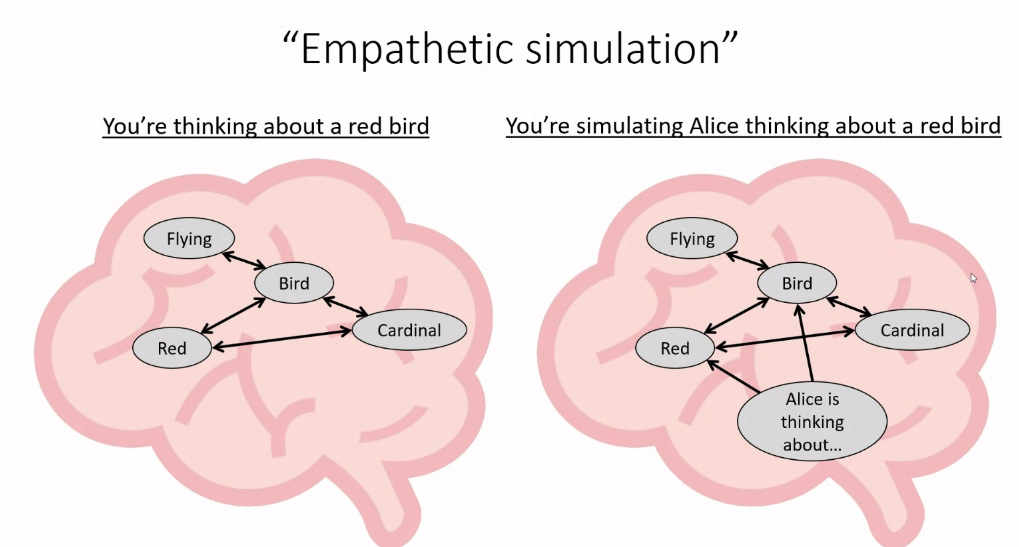
- Associations are carried through multiple nodes. If you associate silly voices with childish media, and have Bad associations of childish media, you will then experience bad associations of silly voices.
- People have decent ideas about what associations others have about things.
- When forming intuitions, the combination of these associations is highly influential. This process is unconscious, and often not recognized.
- Example: When reading an essay, you have a positive association of the author, but you associate the argument method with an author you have a negative association with. If these are the only two associations, then much of your intuitive judgement of this essay will come from the sum of the relative strengths of these associations.
- The “sum total positive/negative” association of a given thing is a very important factor for decision making.
These premises would lead to the following main conclusions:
- In order to really understand a person or collective (enough to predict their behavior), it would be highly useful to map out the bulk of the associations they hold.
- This would be impossible to fully do, but may be possible to approximate enough to be useful.
Fun Questions to Consider:
Section titled “Fun Questions to Consider:”- How much money would you need to accept to post on your Facebook wall a highly pro-Trump message, without any explanation? (Assuming you don’t like Trump)
- How valuable would it be for all Effective Altruists to adjust their positive/negative associations of the most valuable 5 things to adjust? For instance, maybe they develop very positive associations with “being friendly to people online” and “being scrappy and getting data”. Reasons are one way of building these associations, but they aren’t the only way.
- How much of organizational culture is just the presence of the associations people have of things? What about just the positive/negative associations?
- Knowing different things or having different skills would not be considered “associations”. I’m curious about situations were one group could know the same things and have the same skills, but their positive/negative associations make a big difference.
- What are the best ways of making diagrams of association graphs? Are there good examples online of these?
- How well do these graphs map to neural networks and other concepts in AI?
Related to:
Section titled “Related to:”Boo/yay: Arguably a lot of reasoning is just saying “boo yay” X. That’s equivalent to declaring you have a bad/good association with that thing.
Affect Heuristic: Personal and unconscious positive and negative associations.
Halo Effect: Overgeneralized positive associations
https://www.lesswrong.com/posts/ACGeaAk6KButv2xwQ/the-halo-effect
Racial/Gender Biases: Unjustified positive and negative associations.
Tribalism: Biases that favor a group one as compared to other groups. Similar to collective narcissism, xenocentrism, xenophobia, racial fetishism, and many other words.
Ugh fields: Intense personal negative associations around tasks.
Values: Ideas that seem big and have strongly positive associations.
Simulacra: Communal expansion of associations.
Trends: Waves of temporary positive associations that lead to action.
Fads: Quick trends, often led by second waves of negative associations.
Signaling: A group tries to show that they resemble things that have positive associations, or hide things that would have negative associations.
Countersignaling: The main group has a negative association to a secondary group, so the secondary group will make signals to distinguish themselves.
Reputation: Positive and negative associations of an agent.
Status Symbols: Goods that have positive associations. Related to badges of shame, positional goods, veblen goods, trophy wives.
Narcissism: Highly positive personal associations.
Ad hominem, name-calling, smear campaigns: Presenting negative associations of a person, so that these associations will spread to their ideas.
Appeal to authority: Using positive associations of authority to represent a point. Only works for listeners with positive associations of such authority.
Connotations: “Connotation refers to the wide array of positive and negative associations that most words naturally carry with them, whereas denotation is the precise, literal definition of a word that might be found in a dictionary.”
The Implicit-Association Test: This basically demonstrates implicit associations. Typically just used for positive/negative valence/associations.
Personal Debt: Similar to having a negative association of the person.
In other fields
Section titled “In other fields”Neuroscience**:**
I know very little about neuroscience, but do know that:
- Some neurons seem to represent distinct concepts
- Much of the complexity of the brain lies in the connections between neurons, not the total neuron quantity.
- The strength of these connections is highly complicated and the changes are very significant. In this sense, arguably, this maps pretty closely to what I am describing as associations between different concepts and emotions.
Natural Language Processing
Arguably, the association maps are very similar to word embeddings or word vectors. Sentiment analysis identifies simple kinds of associations for long lists of items (like, if people have good/bad associations for 100 brands).
Social Media & Social Graphs
Arguably the Facebook “like” graph represents a very crude association graph.
Causal Networks
What if our brains really worked that way?
It’s assumed that groups do different things because they have different beliefs. But what if it’s instead better modeled by them having different associations, and those associations lead to different beliefs?
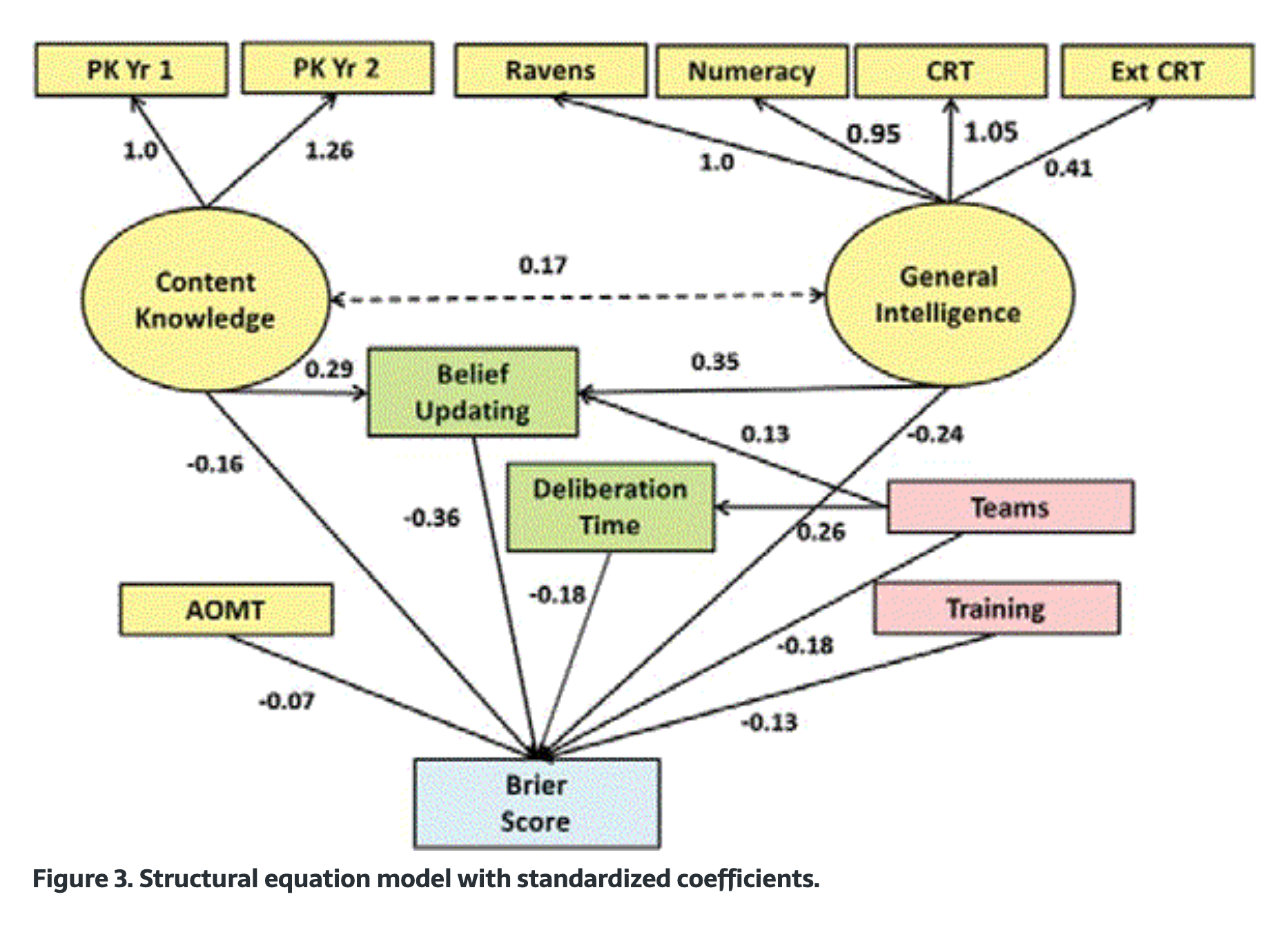
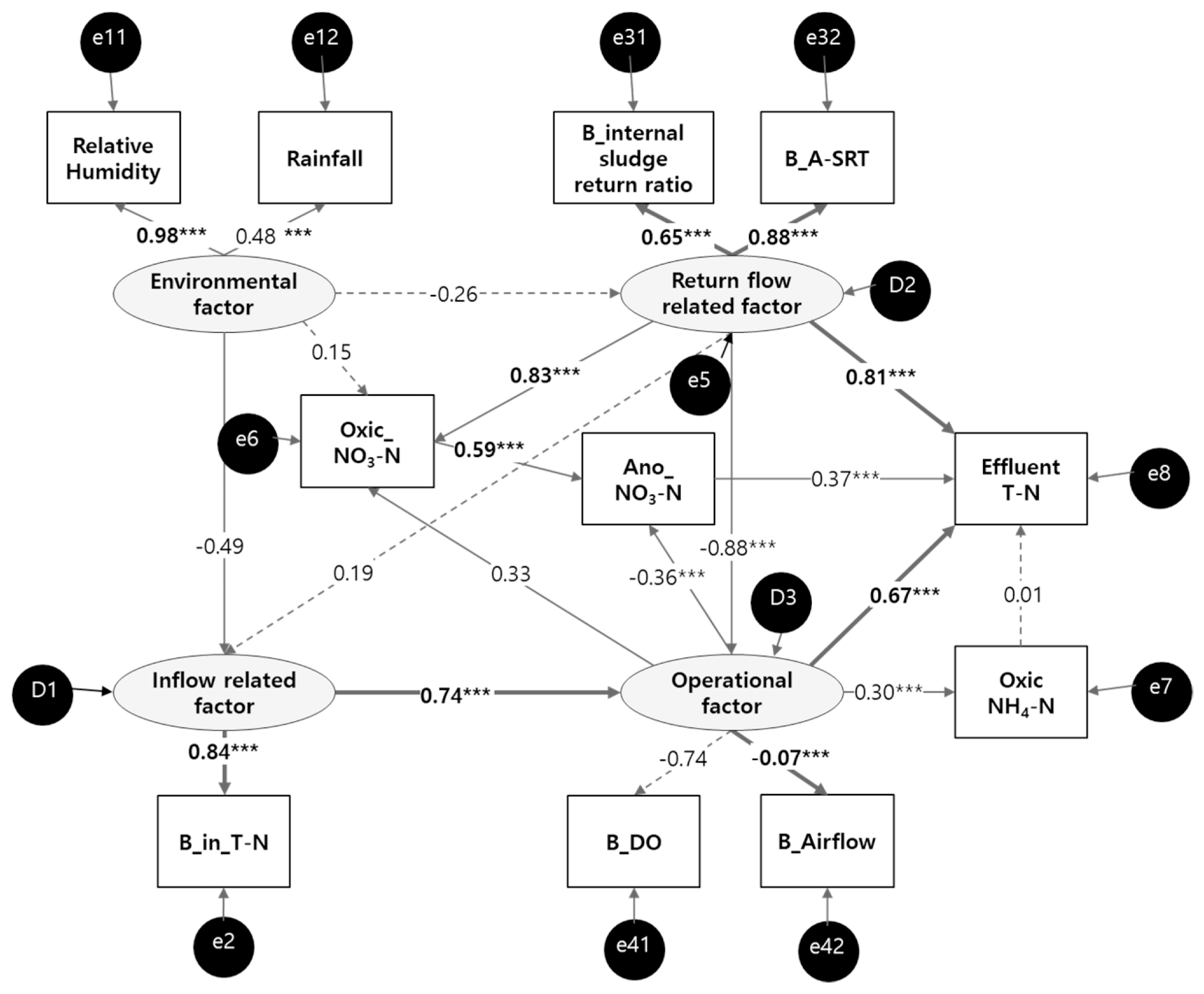
Structural Equation Models
Arguably structural equation models work a very similar way to what I’m describing.
Yay/boo -> having amendments
Ontology discernment
Associations depend on ontologies… so they can only be as fine tuned as one’s ontologies.
“Italian food = good. Italian government = bad”
A simple ontology may lead to “weird people = bad”, but a more complicated one would say, “weird people fall into several clusters, a few of which are good when coupled with specific situations.”
Homogeneous
Epistemic Infrastructure…
“Good and bad gut feelings about things.”
A “Good American” isn’t one who knows about America, but one with the right associations about it and other things. Intuitions
Good/bad -> Valence
A politician says “I love this city!” Kisses the babies, says the like the main things of that area. There’s some empathy, but also some shared interests/valences.
Being interested in an area is not enough… US and USSR were both interested in each other, but for different reasons.
When people describe themselves, they often say: what they do, likes and dislikes.
Culture: “Values, beliefs, underlying assumptions”. “values, beliefs, symbols, and language”
Point: It’s better to get someone to have positive associations of coding than to teach them coding.